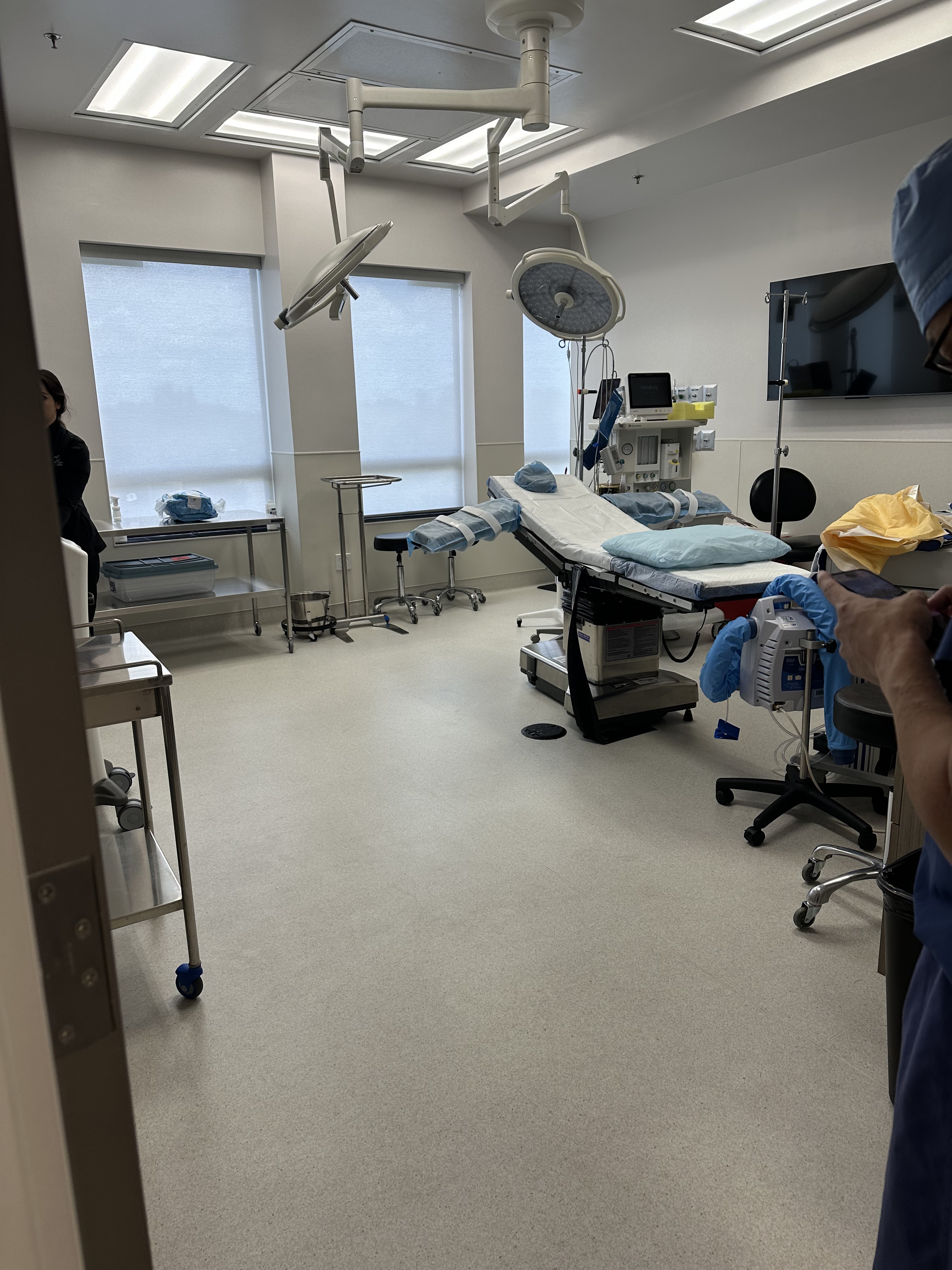
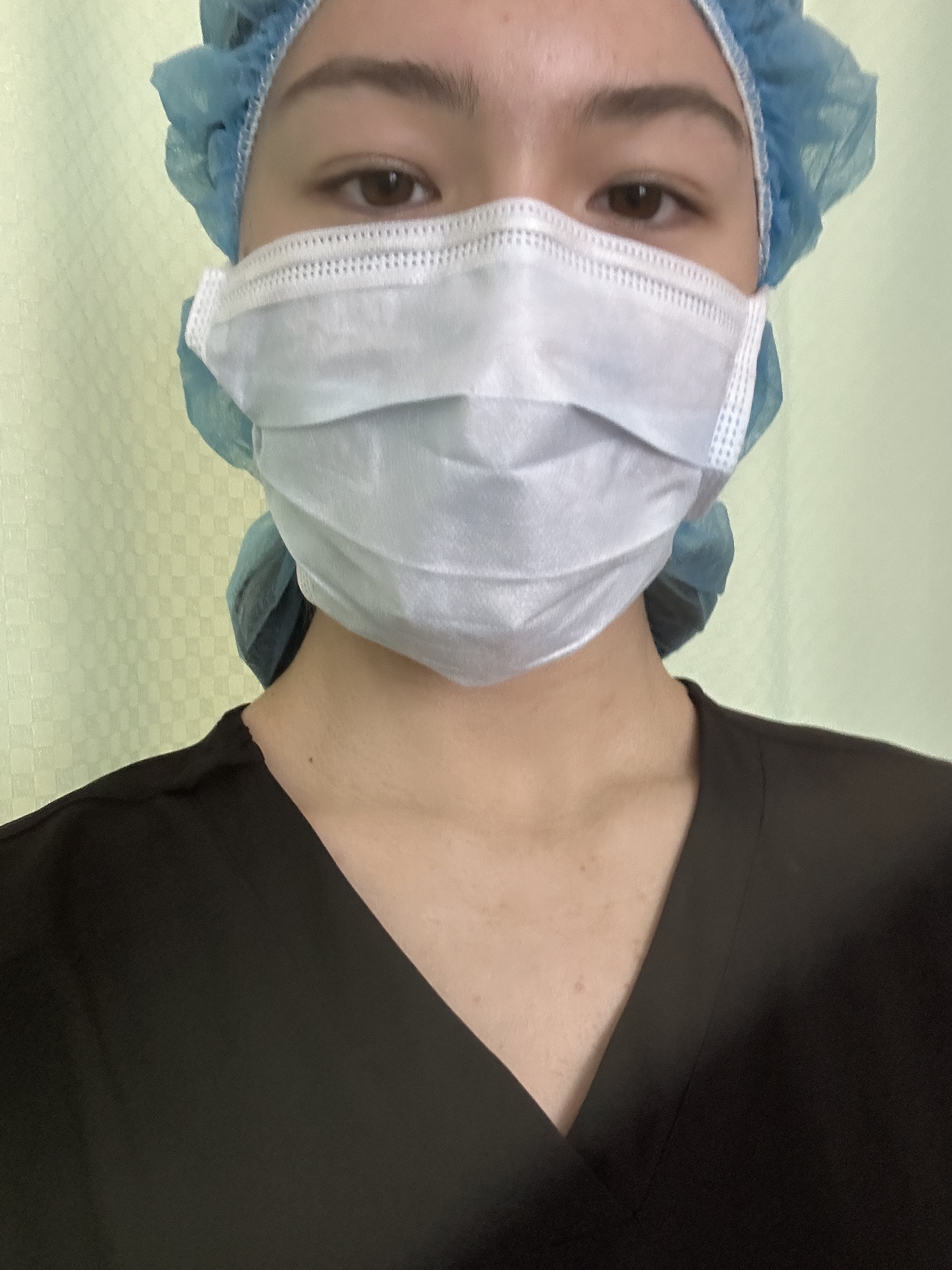
It’s quite ironic how I tell everyone I want to be a doctor when I grow up but I faint at the smallest drop of blood😅.
The cold air hit me as I stepped inside the operating room (OR). Being the first time in shadowing a surgery, I was thrilled and a little apprehensive. Dr. Chang, a plastic surgeon, calm and focused, prepped his instruments with meticulous care. The patient lay still, her face prepped for surgery. Everything felt visceral, almost like I was watching a scene from a movie.
Dr. Chang made the first incision. As the scalpel sliced through skin, blood welled up. My excitement quickly turned into something else—a wave of queasiness, a sudden lightheadedness. The room began to spin, and before I could process what was happening, darkness overtook me. I fell on my face with a loud bang.
When I regained consciousness seconds later, Dr. Chang was by my side, his eyes filled with genuine concern. He didn’t hesitate, instructing his staff to call my mom and ask her to take me to ER for an evaluation. Wholly humiliated, I felt embarrassed that the focus from the patient was shifted to me, a supposed quiet observer, even though it was only for a moment. Just like that, I went from OR to ER in my first shadowing experience.
The ER doctor’s examination was thorough but brief, and I was soon handed a letter of clearance. My pulse quickened with the thought of returning to the OR. But will I faint again? I had waited for this OR shadowing experience for so long. When I walked back in, Dr. Chang greeted me with a sympathetic smile. “It happened to me, too, in medical school,” he said, his voice warm. “First time in the OR, I went down just like you. Happens to a lot of medical students.” His words were a balm to my embarrassment, and he even offered practical advice, “If you felt faint again, lean against a wall and glide down to minimize injury”. There was no judgment, only understanding.
As the second half of the surgery continued, I observed Dr. Chang’s hands moving with precision and dexterity, his focus razor-sharp. Though the procedure was typically considered as low-risk, he approached it with the same intensity and care as if it were life-saving. Every stitch, every adjustment, was meticulously made with the patient’s future in mind. “This is her face, after all, the first thing she’d see every morning in the mirror”, Dr Chang explained to me. The humanistic side of the medicine was palpable throughout the surgery. As Dr. Chang gazed into the patient’s face, he understood the weight of his every move.
As I left the OR that day, I felt a deepened sense of the human side of medicine that changed my view of plastic surgery. This type of surgery is not just reserved for the rich and famous. “It is about restoring someone’s confidence and dignity” as Dr. Chang said. The technical and emotional depth of plastic surgery deals with altering a person’s appearance, which they will carry with them for the rest of their life. The professionalism and compassion that Dr. Chang embodied is what it truly means to care for another human being in their most vulnerable moments.
 Telos and Tangents
Leave a comment